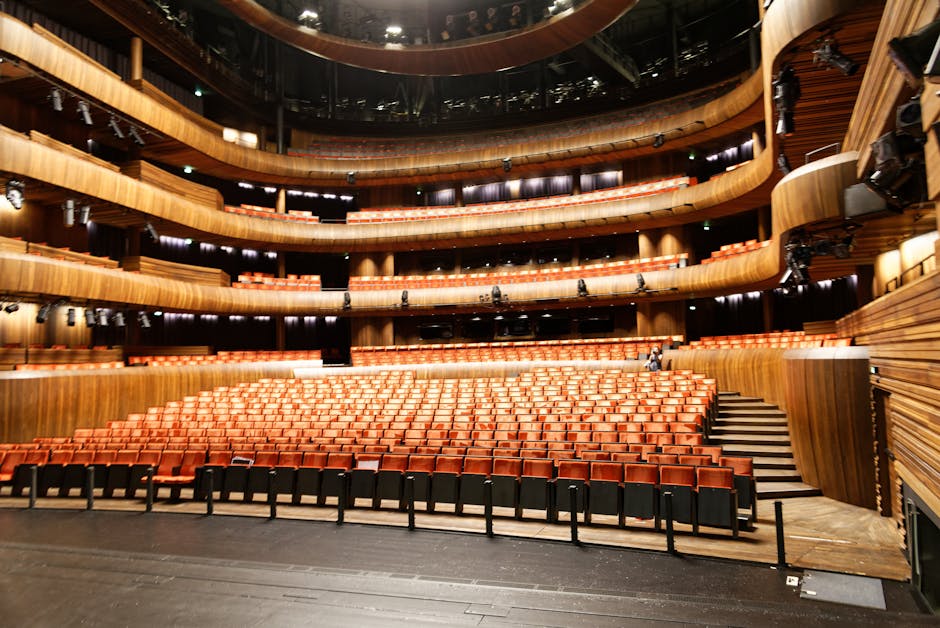
Rose Theatre Kingston removals guide for event day moves
If you are planning a move around a performance, rehearsal, load-in, or venue access window, the whole day can turn on a few small details. That is exactly where this Rose Theatre Kingston removals guide for event day moves earns its keep. The goal is simple: help you move items in or out without upsetting the schedule, blocking access, or creating avoidable stress for staff, performers, suppliers, or neighbours.
In practice, event-day moving is a different game from a standard house or office move. Timings are tighter, the spaces are busier, and a minor delay can snowball fast. If you have ever stood by a van in the rain at 7:30 a.m., watching a loading bay fill up while someone else is searching for a key, you will know the feeling. Not fun. This guide breaks down how to plan, what to prioritise, and how to keep the whole process calm, safe, and efficient.
Whether you are shifting props, exhibition materials, office items, back-of-house equipment, or a few bulky pieces of furniture, the same rule applies: plan for access first, then packing, then timing. Get those right and the rest becomes a lot easier.
Table of Contents
- Why Rose Theatre Kingston removals guide for event day moves Matters
- How Rose Theatre Kingston removals guide for event day moves Works
- Key Benefits and Practical Advantages
- Who This Is For and When It Makes Sense
- Step-by-Step Guidance
- Expert Tips for Better Results
- Common Mistakes to Avoid
- Tools, Resources and Recommendations
- Law, Compliance, Standards, or Best Practice
- Options, Methods, or Comparison Table
- Case Study or Real-World Example
- Practical Checklist
- Conclusion
- Frequently Asked Questions
Why Rose Theatre Kingston removals guide for event day moves Matters
Event day moves are rarely about brute strength. They are about coordination. At a busy venue, the difference between a smooth move and a stressful one is often just a handful of decisions made early enough. The Rose Theatre Kingston area has its own practical realities too: busy streets, parking pressure, pedestrian flow, and the simple fact that local activity rarely stops just because your move is on the calendar.
This matters because theatre and event environments have moving parts that do not like surprises. You may need to work around rehearsals, ticketed arrivals, technical checks, front-of-house operations, or a narrow slot when access is actually possible. If one supplier arrives early and another arrives late, the whole plan can wobble. A good removals plan is less about perfection and more about keeping control of the sequence.
There is also the matter of protection. The wrong trolley, the wrong wrapping, or one awkward turn through a doorway can damage floors, props, signage, or fragile equipment. And, to be fair, when things are rushed, people tend to carry more than they should. That is where accidents happen. A proper event-day approach reduces risk for everyone on site.
From a broader point of view, good planning protects your reputation. If you are coordinating an event, production move, or business relocation near the theatre, being on time and unobtrusive matters just as much as getting the items from A to B. People remember the team that got out of the way quickly.
How Rose Theatre Kingston removals guide for event day moves Works
The basic process is straightforward, but each stage needs care. First, you identify what is moving and when. Then you match that to the site conditions, the vehicle, the manpower, and the available access. Only after that do you finalise packing, loading, and delivery order. The logic is simple, though the timing can feel a bit fiddly in real life.
For event day moves, the usual workflow looks something like this:
- Confirm the move window with the venue or site contact, including any restrictions on vehicle arrival, loading, and unloading.
- Survey the items so you know what is fragile, awkward, oversized, or time-sensitive.
- Match the vehicle and crew to the job, rather than forcing a one-size-fits-all setup.
- Pack and label properly so the right items are unloaded first.
- Protect routes and surfaces using the right moving equipment and floor protection where needed.
- Load in a sequence that supports the order of use at the destination.
- Keep communication live in case the access point, bay, or timing changes on the day.
If you are using professional support, the service may involve man and van support for smaller event-day moves or a more structured approach through full removals services depending on the volume, speed, and handling needs. Truth be told, the right choice usually comes down to size and urgency, not branding.
One useful way to think about it: event-day moving is a choreography problem. Every box, trolley, cable case, or cabinet has a place in the sequence. Get the order right and the movement feels almost effortless. Get it wrong and even a small move can become messy very quickly.
Key Benefits and Practical Advantages
A well-planned venue move is not just about saving time. It changes the feel of the whole day. Staff are less tense. The loading area stays clearer. The person at the front desk is not fielding three different questions at once. Small things, yes, but they add up.
Here are the main benefits people usually notice:
- Fewer delays because arrival, unloading, and positioning are mapped in advance.
- Less damage risk thanks to proper protection, handling, and route planning.
- Better use of limited access windows, which matters a lot around live events.
- Lower stress for teams because everyone knows what happens next.
- Cleaner site management with fewer boxes, bags, and loose items lying around.
- More predictable costs since poor planning often creates overtime and extra handling.
There is also a less obvious advantage: confidence. When the move is organised, the whole team behaves differently. People stop second-guessing where the van should stop or whether the heavy item is coming first or last. That sounds minor, but it changes the day.
If your move includes temporary holding of items before or after the event, it may be worth considering short-term storage options or even mobile self-storage when timing does not line up neatly. That can take the pressure off if the venue slot is tight or your delivery date is awkward.
Who This Is For and When It Makes Sense
This guide is useful for a wide mix of people, not just theatre technicians. If you are moving items for a performance, conference, rehearsal, pop-up installation, business event, or anything that needs a timed entry and exit, you are in the right place.
It makes sense for:
- event organisers coordinating equipment deliveries
- production teams moving scenery, props, or technical gear
- small businesses setting up temporary event stands or displays
- office teams relocating near a performance date
- contractors handling furniture or specialist items in a narrow time slot
- anyone who needs a smooth move without disrupting a live venue schedule
It is especially useful when items are bulky, fragile, or awkward to carry. A single flight case is one thing. A flight case plus a display unit plus a stack of packaging material is another. And if there is a lift involved, or stairs, or a tight doorway, the detail starts to matter very quickly.
For larger business moves, some teams also combine removal support with office removals or business storage solutions when they need flexibility before a final setup. That is often the saner path than forcing everything into one frantic afternoon. Been there, seen that.
Step-by-Step Guidance
If you want the move to feel manageable, follow a simple sequence. It does not need to be complicated. In fact, complicated plans tend to fail under event-day pressure.
1. Confirm the site rules and access window
Start by checking when vehicles can arrive, where they can stop, and who is responsible for opening gates, doors, or loading access. If you are not sure, ask. A ten-minute conversation beforehand can save a forty-minute delay later. That is not an exaggeration.
2. Create a detailed item list
Write down what is moving, how many pieces there are, and which items need extra care. Mark anything fragile, valuable, awkwardly shaped, or time-critical. A labelled list sounds basic, but it is one of the best ways to prevent confusion when people are under pressure.
3. Choose the right moving method
Not every event-day move needs the same setup. A smaller move might suit a small removals service, while a bigger multi-item job may need a fuller removal plan. If there are storage gaps or staggered delivery times, consider removals and storage support so the whole process is not hanging by a thread.
4. Pack for sequence, not just safety
Yes, protection matters. But on event day, access order matters too. The first items out should be the ones needed first on site. Label boxes clearly. Group by area or function. Keep a simple unloading order sheet if the move involves several locations. You will thank yourself later, honestly.
5. Protect the route
Check door widths, corner turns, lift sizes, and any floor protection needed. A carpet runner, blanket, or board can prevent unnecessary marks. If the route is tricky, walk it before anything is lifted. That tiny bit of prep often reveals the problem while you still have time to fix it.
6. Load in reverse order of use
What needs to be used last can go in first, and vice versa. This keeps the unloading process logical. Heavy items should be secured so they do not shift in transit, especially if the journey is short and stopping frequently. Short trips can still cause damage. People forget that.
7. Keep one point of contact on site
On the day, name one person who can answer questions quickly and make decisions. Too many voices slow everything down. A single point of contact keeps the move moving, which is exactly what you want.
8. Build in a margin
Leave a buffer. Traffic, parking, a late handover, or a missing key can all eat into your slot. If the move finishes early, great. If it does not, at least you have breathing room. That little bit of slack can make the difference between calm and chaos.
Expert Tips for Better Results
Here is where experience really pays off. The basics get you started. These smaller habits make the day smoother.
- Use colour coding. It sounds almost too simple, but coloured tape or labels can speed up unloading when several departments or functions are involved.
- Photograph the setup before dismantling. Useful for technical kit, display structures, and furniture layouts. A quick phone photo can prevent a lot of head-scratching later.
- Keep one "first out" box. Put tape, scissors, pens, gloves, documents, and basic tools in one labelled box so you are not hunting for them mid-move.
- Protect edges and corners early. It is easier to wrap a sharp corner in advance than to apologise for a scuffed wall afterwards.
- Check parking and access twice. If there is a loading bay, make sure the plan still works when the venue gets busy. It often changes in the real world.
- Keep communications short. On busy days, people do better with clear instructions than long explanations.
One small but useful trick: keep a printed copy of the move plan in the van and another at site. Battery life is not always on your side, especially when everyone's phone is doing a bit too much. A paper backup is old-fashioned, yes, but very dependable.
For larger or more delicate jobs, moving specialists may also recommend packing services to reduce handling errors and improve protection. It is worth it when the items are valuable, awkward, or needed in a precise order.
Common Mistakes to Avoid
Most problems in event-day moves are not dramatic. They are small oversights that stack up. That is the annoying bit. The good news? Most are avoidable.
- Underestimating access time. A short distance on a map can take ages in a real loading area.
- Not checking measurements. If a trolley, cabinet, or crate does not fit through a doorway, the whole plan changes.
- Packing without a sequence. If items are loaded randomly, unloading becomes slower and more stressful.
- Forgetting site responsibilities. If no one is assigned to open, sign off, or guide the move, time gets wasted.
- Ignoring weather. Rain, wind, and wet pavements are not just inconvenient; they can affect safety and handling.
- Leaving fragile items unlabelled. This is a classic mistake and, frankly, an avoidable one.
Another common issue is assuming all removals are the same. A normal home move is not an event move. An event move is more compressed, more public, and often more sensitive to timing. It deserves its own plan. Simple as that.
If you are dealing with furniture-heavy items, a dedicated furniture storage option can help when pieces cannot go straight into place. That can be particularly useful when room layouts are not finalised or access is staggered.
Tools, Resources and Recommendations
You do not need a warehouse full of equipment to run a good move, but the right tools save a lot of effort. More importantly, they reduce the temptation to carry things in unsafe ways.
| Tool or resource | Why it helps | Best use case |
|---|---|---|
| Removal blankets and wraps | Protects furniture, corners, and surfaces | Fragile or polished items |
| Labels and coloured tape | Makes sorting and unloading faster | Multi-item or multi-room moves |
| Trolleys and dollies | Reduces carrying strain and speeds movement | Heavy boxes, cases, and equipment |
| Floor protection | Helps avoid marks and scuffs in busy venues | Event spaces with delicate flooring |
| Storage backup | Gives flexibility if timing slips | Staggered handovers or delayed setup |
If you need a simpler setup, a local removals service can be the best fit for short-distance event-day moves. For items that need to be kept secure between dates, secure storage is often a sensible back-up plan.
Helpful resources on the practical side include your item inventory, site access notes, packing labels, and a contact list for the venue or event team. Keep those in one place. Nothing fancy. Just tidy and easy to grab.
Law, Compliance, Standards, or Best Practice
For a move like this, the main compliance concern is usually safety rather than bureaucracy. In the UK, moving work should be planned so people are not put at unnecessary risk, and that means sensible handling, clear communication, and suitable equipment. You do not need to make the day feel like a legal seminar, but you do need to take safety seriously.
Best practice usually includes:
- carrying items in a way that reduces strain and avoids overloading
- keeping routes clear of trip hazards
- making sure equipment is suitable for the load
- checking access arrangements in advance
- making sure staff or contractors know who is responsible for the move
- having insurance and handling arrangements that match the work being done
If you are booking a provider, ask about their insurance and safety approach and review the health and safety policy so you understand how risk is managed. That is not being difficult. It is just good practice, especially when working around a live venue or public-facing space.
You should also be clear on payment terms, access conditions, and any operational limits in advance. The finer points may not sound exciting, but they stop confusion later. And yes, I know paperwork is rarely the glamorous bit of event work. Still, it matters.
Options, Methods, or Comparison Table
Different event-day moves call for different approaches. A quick comparison can help you decide what fits your situation best.
| Approach | Best for | Pros | Trade-offs |
|---|---|---|---|
| Man and van | Small, fast, local loads | Flexible, practical, usually efficient | Less suited to very large or complex moves |
| Small removals team | Several items or awkward pieces | More handling support and better sequencing | May cost more than a single-driver option |
| Full removals service | Larger venue, office, or production moves | Stronger coordination and capacity | May be more than you need for light loads |
| Removals plus storage | Staged delivery or uncertain timing | Reduces pressure if dates shift | Requires extra planning and handovers |
For example, if you are moving a few pieces of equipment before a performance, a flexible option may be enough. If you are shifting multiple furniture items, displays, and supporting materials, a more structured approach is usually better. There is no prize for choosing the smallest service if the job has clearly outgrown it.
In some situations, household storage or office storage can bridge the gap when you need space before final placement. That can be a very neat solution when the venue schedule and your own availability do not line up neatly, which, let's face it, happens all the time.
Case Study or Real-World Example
Imagine a small production team preparing to move technical kit, a few props, and a compact set of furniture into a performance space near the Rose Theatre Kingston area. They have a short access slot before doors open. Nothing dramatic, but enough to make the day feel tight.
Before the move, the team checks the route, confirms where the van can stop, and labels every case by destination area. They also separate the items by priority: first-use items, backup items, and non-urgent items. The floor protection goes down early, and one person is nominated to speak to the venue contact if anything changes.
On the day, the move starts with the most critical kit. That means the load-in team can place essential items first and keep the route clear for later deliveries. The furniture comes after the technical gear, not before. Nobody is hunting for tape or a screwdriver because the first-out box is already visible. Small thing, big difference.
The result is not flashy. It is just calm. The team finishes within the access window, no one is flustered, and the space is ready when it needs to be. That is what a good event-day move looks like. Quietly successful. A bit unremarkable, in the best possible way.
If storage is needed between setup stages, a service such as short-term storage or long-term storage can help keep the workflow flexible rather than rushed.
Practical Checklist
Use this checklist before the move. It is simple, but that is the point.
- Confirm the date, time, and access window.
- Check vehicle stopping and loading arrangements.
- List every item that needs to move.
- Mark fragile, heavy, and awkward items clearly.
- Measure doorways, lifts, stairs, and tight turns.
- Assign one site contact for the day.
- Prepare labels, tape, wraps, and blankets.
- Protect floors and route surfaces where needed.
- Load items in the right sequence.
- Keep a backup plan if the slot changes.
- Check insurance and safety expectations.
- Allow a time buffer for delays.
Expert summary: the best event-day moves are rarely the fastest-looking ones at the start. They are the ones that feel calm because the thinking happened beforehand. If the team knows the access plan, the packing order, and the point of contact, the day gets much easier. That is the real win.
If you are ready to make the move simpler, start by choosing the right level of support and then line up the timing. A well-prepared move near the Rose Theatre Kingston area can be remarkably smooth when the basics are done properly. Not glamorous, perhaps. But very effective.
Get a free quote today and see how much you can save.
Conclusion
A successful event-day move is built on planning, clarity, and a sensible understanding of the venue environment. The closer your preparation matches the real conditions on site, the less likely you are to run into stress, delay, or damage. That is true whether you are moving a handful of items or coordinating a more involved load-in around a busy event schedule.
This Rose Theatre Kingston removals guide for event day moves is designed to help you think a step ahead: choose the right service level, pack in the right order, protect the route, and keep communication clean. Do that, and the move becomes part of the day, not the thing that derails it.
And if you are still weighing up the best approach, that is completely normal. A good move plan is often just a thoughtful one, plus a little breathing room. Sometimes that is all you need.
In the end, the smoothest event moves are the ones people barely notice - and that is usually a very good sign.
Frequently Asked Questions
What is a Rose Theatre Kingston removals guide for event day moves?
It is a practical guide for planning timed removals, deliveries, or load-ins around an event schedule near the Rose Theatre Kingston area. The focus is on access, timing, safety, and making sure the move does not interrupt the flow of the day.
How far in advance should I plan an event-day move?
The earlier the better, especially if you need a narrow access slot or have bulky items. Even a short move benefits from advance planning because venue access, parking, and packing details can change quickly.
Do I need a full removals service for a small event move?
Not always. A smaller move may be fine with a man and van or small removals setup. If the load is fragile, awkward, or time-sensitive, though, a more structured removals service is often the safer option.
What should I pack first for an event-day move?
Pack by priority and order of use. Items needed first on site should be easiest to unload. Keep fragile and valuable items clearly marked, and make sure the first-out box is ready with essentials like tape, labels, and tools.
How do I avoid delays on the day?
Confirm access details, assign one point of contact, label items properly, and allow a buffer in the schedule. Most delays happen because of small assumptions that were never checked.
Is storage useful if the event timing changes?
Yes. Short-term or secure storage can be very helpful if your delivery, setup, or dismantling dates do not line up neatly. It gives you breathing room and reduces last-minute pressure.
What items need extra care during a venue move?
Fragile equipment, polished furniture, technical gear, awkwardly shaped pieces, and anything valuable should be handled carefully. If in doubt, label it clearly and tell the moving team before loading starts.
What is the biggest mistake people make with event-day removals?
The biggest mistake is underestimating access and timing. A move can look simple on paper, then become difficult because of parking, lift size, venue activity, or a tight handover window.
Should I check insurance before booking a mover?
Absolutely. It is sensible to ask about insurance and safety arrangements before booking. That way, you know how the provider manages risk and what level of cover is in place for the work.
Can removals support help with offices near event venues too?
Yes. If your move involves office items, equipment, or staged relocation, office removals or office storage can be a strong fit, especially when timing has to work around other commitments.
What if the venue access window is very short?
Then planning becomes even more important. Keep the load sequence tight, reduce unnecessary items, and make sure the crew knows exactly what comes out first. A short window is workable, but only if the plan is simple and disciplined.
How do I know whether I need packing services?
If your items are delicate, numerous, or need to be unloaded in a strict order, packing services can save time and reduce damage risk. They are especially useful when the move needs to happen quickly and cleanly.